Fazenda Santa Cruz
Restaurant, Historic / Ruins
South America Brazil
A Fazenda Santa Cruz é parte integrante de um trecho de inestimável valor histórico e natural da antiga linha férrea Leopoldina, particularmente pitoresco por suas matas nativas, mirantes naturais e vistas deslumbrantes de uma paisagem que se estende, desde vales verdejantes até o distante horizonte recortado por infinitas montanhas rochosas, composto por três túneis construídos por engenheiros ingleses no final do século XIX, aos quais são atribuídas características de grande valor histórico e cultural, esculpidos que foram na pedra bruta por mãos escravas no final do Segundo Império do Brasil, período da sociedade cafeeira, trabalhados com grandes blocos de pedra, retirados da própria rocha, dispostos geométrica e artisticamente, de forma a ornamentar os arcos nas entradas e saídas dos mesmos.
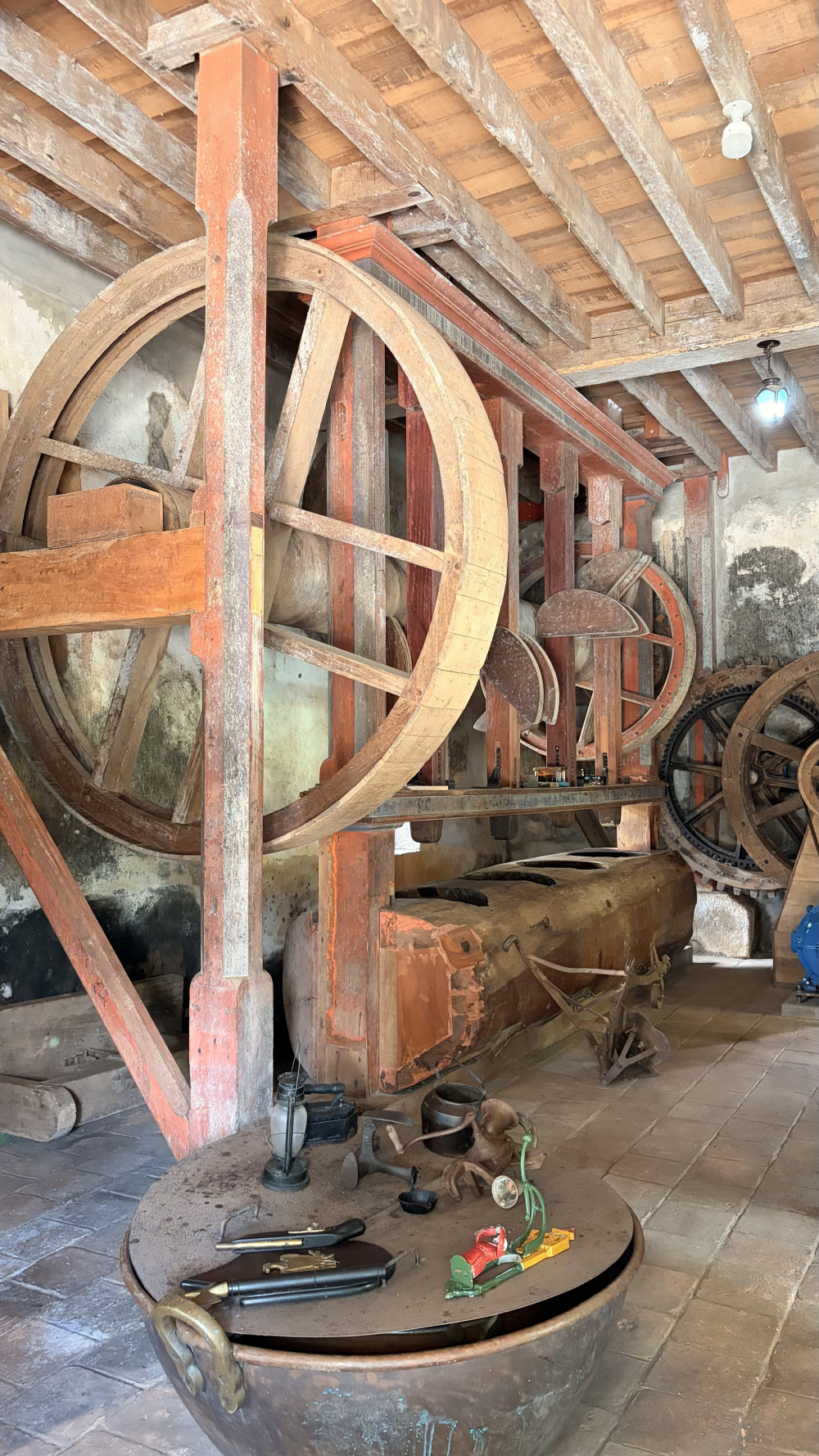
A Fazenda, que tem sua data de fundação estimada no ano de 1880, possui altitude de 600m e área de 367,2 ha; casa-sede com 02 andares, 17 quartos, 03 salões, 02 banheiros, cozinha. Possui também antigo engenho de café, moinho de fubá, engenho de cana e pequena usina de energia elétrica movidos à água, 30 kwa de energia da CERJ e sete casas de colono.
Possui 03 açudes, 10 nascentes de água potável e 50 ha de mata virgem cortada, de ponta a ponta, pelo Córrego Vermelho.
Santa Cruz Farm is an integral part of a stretch of the former Leopoldina Railway of remarkable historical and natural value. This section is especially picturesque, featuring native forests, natural viewpoints, and breathtaking scenery that ranges from lush green valleys to a distant horizon shaped by endless rocky mountains.
The area includes three tunnels built by English engineers in the late 19th century, recognized for their significant historical and cultural importance. These tunnels were carved directly into solid rock by enslaved laborers during the final years of the Brazilian Empire, in the era of the coffee economy. Constructed with large stone blocks extracted from the surrounding rock, they were arranged with geometric precision and artistic care, forming ornamental arches at their entrances and exits.
The farm itself, believed to have been established around 1880, sits at an elevation of 600 meters and covers an area of 367.2 hectares. The main house has two stories and includes 17 bedrooms, three living rooms, two bathrooms, and a kitchen. The property also features an old coffee mill, a cornmeal mill, a sugarcane mill, and a small hydro-powered electricity plant, along with a 30 kW power supply from CERJ and seven workers’ houses.
Additionally, the farm has three reservoirs, ten freshwater springs, and 50 hectares of untouched forest, crossed from end to end by the Vermelho Stream.